
Brownstone, Condo, or Co-op?
SERIES #02, ARTICLE #05
Why Your Building Type Changes the Renovation Process
A kitchen is a kitchen.
Until the kitchen is inside a Brooklyn brownstone.
Or on the seventh floor of a condo.
Or in a co-op where the building has very specific feelings about where your bathroom should be.
The design problem may look similar. The renovation process is not.
Brownstones: You Own More of the Problem
I love working with older homes because they contain things that are very difficult to reproduce convincingly today.
Old wood.
Plaster.
Moldings.
Stairs worn slightly differently after a century of people walking over them.
They also contain things nobody particularly wanted to preserve, including old wiring, questionable framing, previous renovations, and conditions hidden behind walls. With a brownstone, understanding the existing building becomes a significant part of designing the new one.
And if the property is an individual landmark or located within a historic district, exterior alterations can also require review by the Landmarks Preservation Commission.
History is lovely…
It also occasionally comes with paperwork.
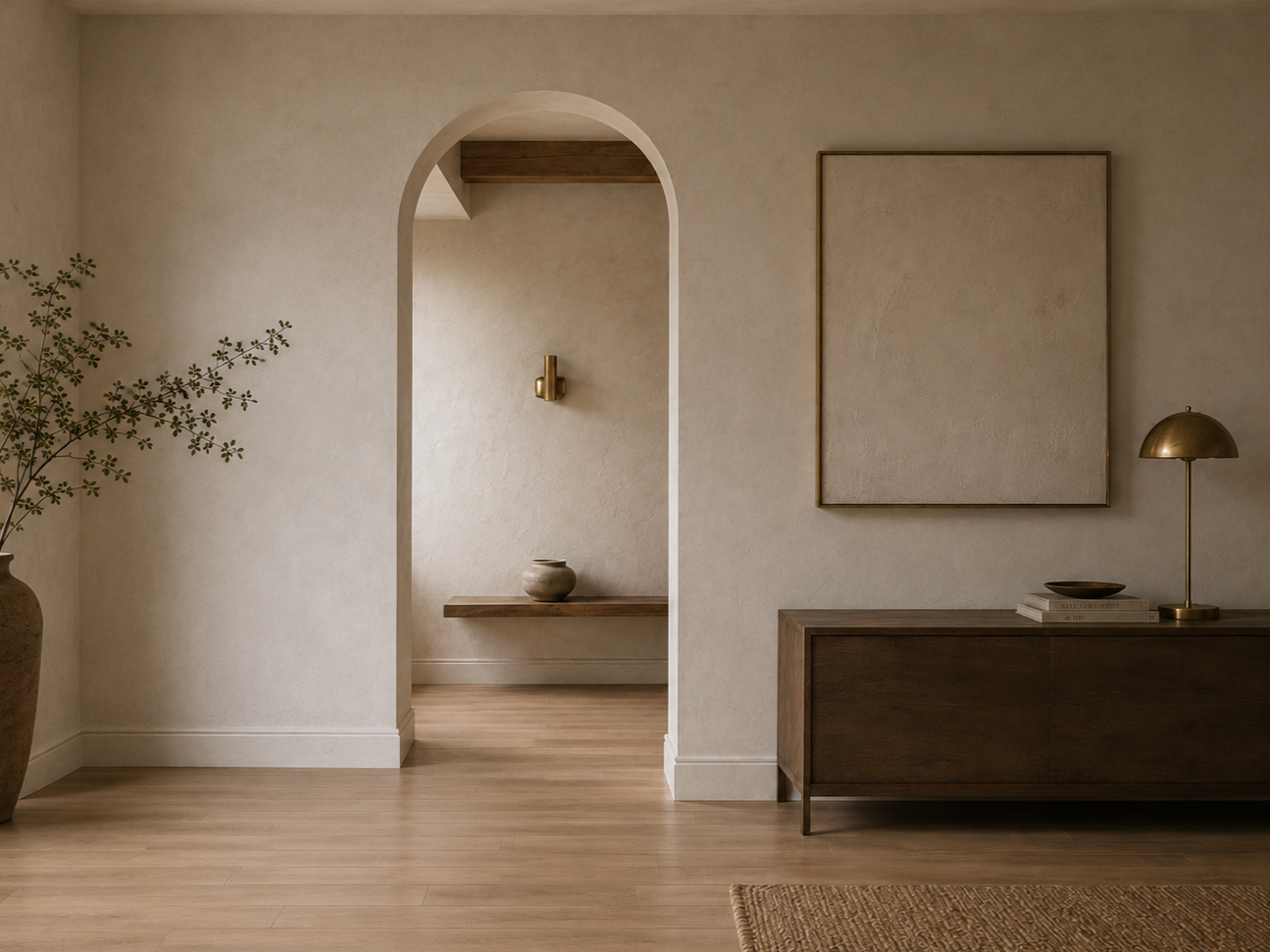
Editorial concept visualization by From David Designs
Condos and Co-ops: Your Apartment Is Not an Island
Apartment renovations introduce another layer: the building itself.
There may be an alteration agreement.
Work-hour restrictions.
Insurance requirements.
Rules about plumbing.
A review by the building's architect or engineer.
And decisions that affect your neighbors above and below you.
That last part tends to become important very quickly.
As of February 2, 2026, DOB NOW also includes the condo or co-op board as a stakeholder when applicable, with a board representative required to attest that the applicant has authorization to file.
So the board process should not be treated as something to figure out after the design is finished.
It is part of the design constraints from the beginning.
Constraints Are Not Necessarily Bad
I actually like constraints.
Within reason.
They force the project to decide what matters. Beautiful homes comes from creative design when its responding and reacting to a percevied limiation. The goal is not to pretend a Brooklyn brownstone is a new house or that a co-op apartment exists independently from the building around it.
Good renovation design starts by understanding what is already there.
Physical constraints.
Historical ones.
Legal ones.
And occasionally a very detailed alteration agreement.
Then we decide where there is room to change.
